


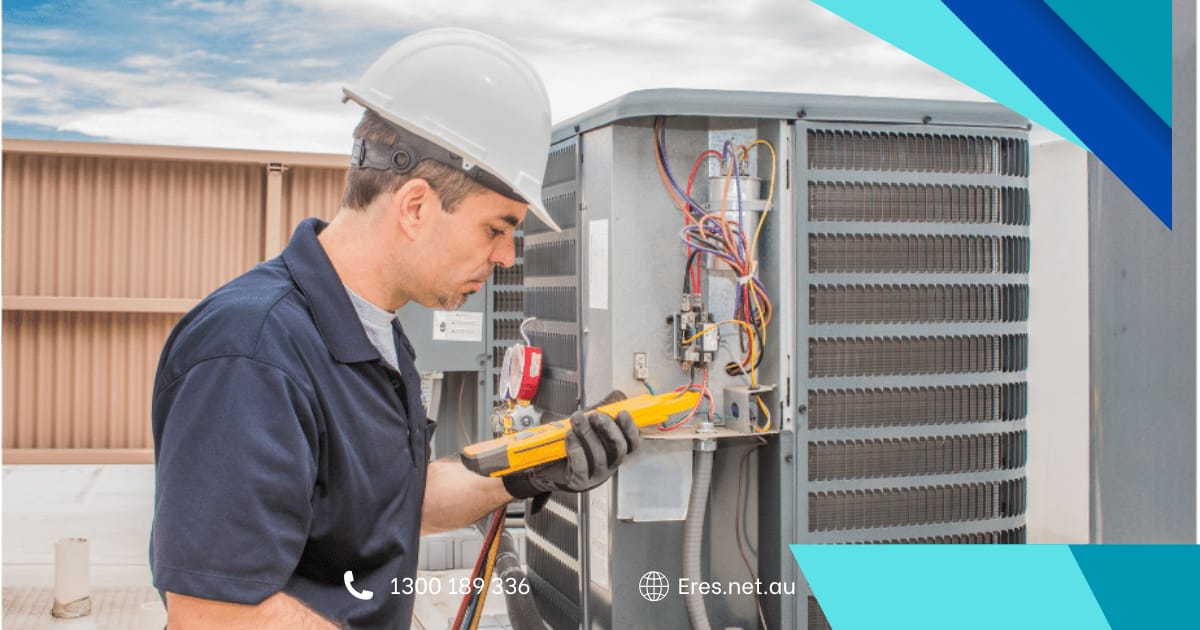
Commercial HVAC Failures in Summer: Why Systems Collapse in WA
Introduction
Commercial HVAC failure Perth businesses experience during summer is not random. Commercial HVAC failure Perth incidents follow predictable patterns driven by extreme heat, prolonged system demand, poor maintenance planning, and overlooked performance issues. Across Western Australia, commercial buildings face unexpected cooling breakdowns at the exact moment they need reliable performance most.
Perth summers are long, intense, and unforgiving. When temperatures rise above thirty five degrees and remain high for consecutive days, commercial HVAC systems operate under sustained pressure. If those systems are not properly designed, maintained, or monitored, failure becomes highly likely.
This article explains why commercial HVAC systems collapse in summer, what causes these breakdowns, how to recognize early warning signs, and what Perth businesses can do to prevent operational disruption.
Why Summer in Perth Pushes Commercial HVAC Systems to Their Limits
Western Australia experiences some of the highest sustained summer temperatures in the country. Unlike short heat spikes, Perth often sees extended heatwaves that last several days or weeks.
Commercial HVAC systems are designed to handle peak loads. However, when peak conditions continue for prolonged periods, components such as compressors, condensers, and motors experience continuous stress. This constant strain accelerates wear and increases the risk of failure.
Buildings with high occupancy, glass facades, internal equipment heat loads, or poor insulation are especially vulnerable. As internal heat rises, cooling demand increases, and systems may run at full capacity for extended hours without rest.
Under these conditions, even minor inefficiencies can trigger a full commercial HVAC failure in Perth.
The Most Common Causes of Commercial HVAC Failure in Perth
Understanding why systems collapse helps businesses prevent it. Below are the primary causes seen in Western Australia during summer.
1. Poor Preventative Maintenance
The leading cause of commercial HVAC failure Perth businesses face is neglected maintenance.
Dirty coils reduce heat transfer. Blocked filters restrict airflow. Loose electrical connections create overheating. Low refrigerant levels reduce cooling efficiency.
When these issues combine during high demand periods, systems overwork and eventually shut down or fail.
Preventative maintenance identifies and resolves these problems before summer begins.
2. Refrigerant Leaks and Low Refrigerant Levels
Refrigerant is critical for cooling performance. When levels drop due to leaks, systems must work harder to achieve target temperatures.
Low refrigerant increases compressor strain, reduces efficiency, and can lead to complete system shutdown.
During extreme Perth heat, a system already struggling with low refrigerant can fail rapidly.
3. Dirty or Blocked Condenser Coils
Outdoor condenser units are exposed to dust, debris, and environmental pollutants. In Western Australia, dry conditions increase airborne dust accumulation.
When condenser coils become clogged, heat cannot dissipate effectively. This forces compressors to operate at higher pressures, increasing energy use and failure risk.
Condenser coil blockage is one of the most common summer related breakdown causes.
4. Electrical Component Failures
High temperatures impact electrical components. Contactors, capacitors, and wiring degrade faster in hot conditions.
When systems run continuously, electrical stress increases. Weak components that might survive moderate use often fail during peak summer demand.
Electrical faults are a major contributor to commercial HVAC failure in Perth.
5. Oversized or Undersized Systems
Improper system design can lead to performance instability.
An undersized system struggles to meet cooling demand and runs continuously. An oversized system cycles too frequently, causing wear and inefficient operation.
Both scenarios increase the likelihood of breakdown during high load periods.
6. Lack of Airflow and Ventilation Issues
Restricted airflow places enormous pressure on HVAC equipment. Blocked ducts, dirty filters, or failing fans reduce system efficiency.
Without adequate airflow, cooling capacity drops while component stress increases.
Many Perth businesses experience uneven cooling before a full failure occurs. These warning signs should never be ignored.
Early Warning Signs of Commercial HVAC Failure
Most systems show warning signs before total collapse. Recognizing these signs allows businesses to act early.
Common warning signs include
Rising energy bills without increased usage
Uneven temperatures across the building
Unusual noises from rooftop units
Frequent system cycling
Weak airflow
Increased humidity indoors
Longer cooling times
If these symptoms appear before or during summer, professional inspection is essential.
The Financial Impact of HVAC Failure During Perth Summer
A commercial HVAC failure in Perth is more than an inconvenience. It carries financial consequences.
Business disruption reduces productivity. Staff performance drops in uncomfortable conditions. Customers may leave retail or hospitality venues. Sensitive equipment may overheat in technical environments.
Emergency repair costs are often significantly higher than scheduled maintenance. After hours call outs, urgent parts sourcing, and rapid labor deployment increase expenses.
Furthermore, system downtime during peak season can damage brand reputation and client trust.
Why Reactive Repairs Are Not Enough
Many businesses rely on reactive service models. They wait for breakdowns before calling a contractor.
This approach increases long term risk. Reactive repairs address immediate faults but do not prevent recurring issues.
In contrast, proactive management reduces the probability of commercial HVAC failure in Perth by identifying performance decline before breakdown occurs.
Preventative servicing, system monitoring, and load assessments provide stability during extreme summer conditions.
How Perth Businesses Can Prevent Summer HVAC Collapse
Preventing failure requires structured planning and professional oversight.
Schedule Pre Summer Inspections
Systems should be inspected and serviced before temperatures rise. This ensures coils are clean, refrigerant levels are correct, electrical systems are secure, and airflow is balanced.
Implement Preventative Maintenance Programs
Routine servicing throughout the year keeps systems operating efficiently and reduces unexpected failure.
Conduct Load Assessments
Buildings change over time. Increased occupancy, new equipment, or layout modifications can affect cooling demand. Periodic assessments ensure systems are appropriately sized and configured.
Monitor Energy and Performance Data
Tracking energy usage helps identify inefficiencies early. Sudden increases often indicate developing mechanical issues.
Work With Experienced Commercial HVAC Specialists
A contractor experienced in Perth climate conditions understands the unique stresses systems face during WA summers.
Why Perth Conditions Require Specialist Expertise
Western Australia is not a moderate climate market. Systems installed or maintained without understanding local conditions are more likely to fail.
A commercial HVAC failure Perth businesses experience often results from underestimating summer demand.
Experienced contractors account for
Extended heatwaves
High UV exposure
Airborne dust accumulation
Long operating hours
High internal load buildings
This knowledge improves system reliability and longevity.
Final Thoughts
Commercial HVAC failure Perth businesses face during summer is predictable and preventable. Extreme heat exposes weaknesses in design, maintenance, and system management. Without proactive care, breakdowns occur when cooling is most critical.
The cost of prevention is always lower than the cost of emergency repairs and operational disruption.
For WA businesses, summer readiness is not optional. It is essential for protecting comfort, productivity, and long term asset value.