


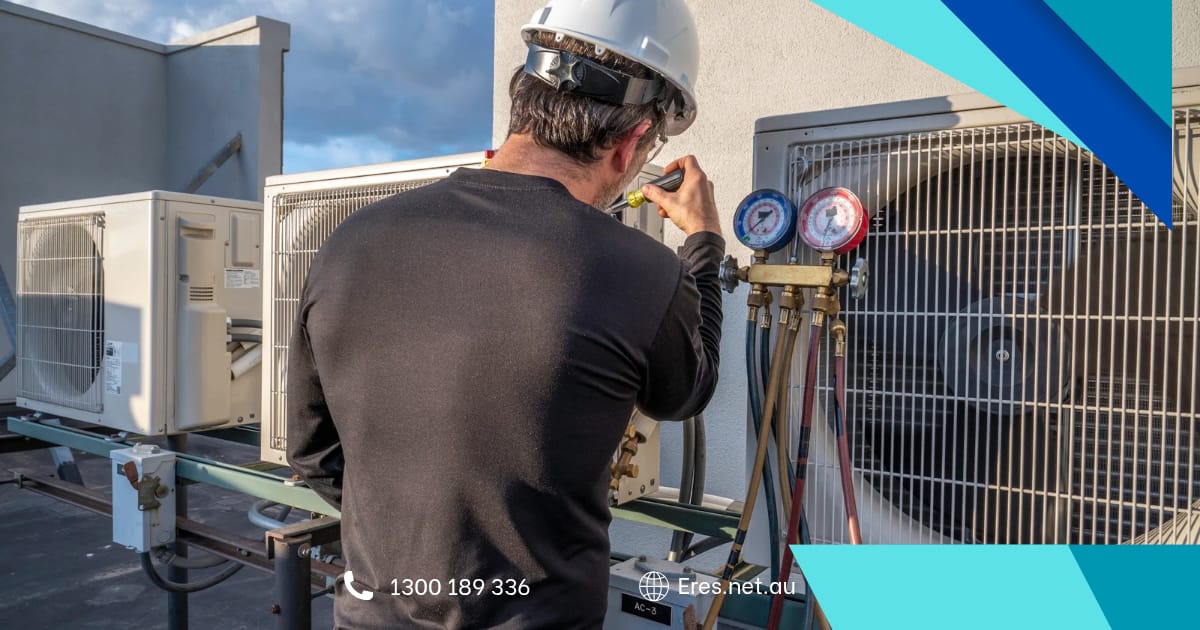
 Hidden Energy Waste in Commercial Buildings Most Businesses Ignore
Introduction
Reducing operating expenses is a priority for many organizations. One of the most effective ways to reduce HVAC energy costs commercial buildings face is by identifying hidden sources of energy waste inside heating and cooling systems.
Reduce HVAC energy costs commercial buildings pay every month by identifying performance issues that most businesses overlook. Small problems such as airflow restrictions, poor controls, or neglected maintenance can quietly increase energy usage without obvious warning signs.
Understanding where these hidden losses occur can help businesses lower operating expenses while improving system performance.
Why HVAC Systems Consume So Much Energy
Heating, ventilation, and air conditioning systems represent one of the largest energy expenses in commercial buildings. Offices, hospitals, warehouses, and shopping centers depend on reliable cooling to maintain comfort and protect equipment.
In climates like Western Australia, cooling demand places constant pressure on HVAC systems. When systems operate inefficiently, energy consumption increases dramatically.
Businesses that actively work to reduce HVAC energy costs commercial buildings experience are able to improve operational efficiency and reduce unnecessary spending.
Dirty Coils Reduce Cooling Efficiency
Evaporator and condenser coils play a critical role in transferring heat out of the building. When these coils become coated with dust or debris, heat transfer becomes less effective.
The system must run longer to reach the desired temperature, increasing energy usage.
Regular coil cleaning helps reduce HVAC energy costs commercial buildings face because the system can operate at full efficiency again.
Poor Airflow Forces Systems to Work Harder
Airflow problems are one of the most common causes of wasted HVAC energy.
Common airflow restrictions include
Clogged air filters
Blocked return vents
Dust buildup in ductwork
Failing fan motors
When airflow becomes restricted, the system must run longer cycles to deliver the same cooling output. Over time, this significantly increases electricity consumption.
Optimizing airflow is one of the fastest ways to reduce HVAC energy costs commercial buildings pay every month.
Incorrect Thermostat and Control Settings
Many commercial facilities operate with outdated or poorly configured control systems.
This often leads to unnecessary cooling such as
Cooling empty areas
Running systems overnight
Overcooling spaces by several degrees
Cooling and reheating different zones simultaneously
Improving building control strategies can reduce HVAC energy costs commercial buildings experience while maintaining comfortable indoor conditions.
Refrigerant Problems Increase Power Consumption
Refrigerant is essential for the cooling cycle. When refrigerant levels are too low or improperly balanced, compressors must work harder to maintain cooling capacity.
This increases both energy consumption and equipment wear.
Routine inspections help identify refrigerant issues early before they begin driving up operating costs.
Leaking Ductwork Causes Energy Loss
Many commercial buildings lose cooled air through leaking ducts. Conditioned air escapes into ceiling spaces or unused areas before reaching occupied zones.
As a result, the system continues running longer to compensate for lost air.
Sealing ductwork helps reduce HVAC energy costs commercial buildings experience because the system can deliver cooling more efficiently.
Oversized and Undersized HVAC Systems
Improper system sizing is another hidden source of energy waste.
An oversized system cools spaces too quickly and shuts off frequently. These short cycles waste energy and increase mechanical wear.
An undersized system runs continuously without achieving the desired temperature, leading to excessive electricity use.
Professional load calculations ensure the system capacity matches the building requirements.
Lack of Preventative Maintenance
Preventative maintenance is one of the most effective ways to reduce HVAC energy costs commercial buildings face over time.
Without regular servicing, systems slowly lose efficiency due to
Dirty components
Sensor calibration drift
Worn belts and motors
Clogged filters
Preventative maintenance restores system performance and prevents small problems from turning into expensive energy waste.
How Western Australia Climate Increases Energy Demand
Western Australia experiences extended periods of high temperatures, especially during summer months.
Commercial HVAC systems must operate for long hours under heavy load to maintain comfortable indoor environments.
Even minor inefficiencies become more expensive when systems run continuously in extreme heat.
This is why reducing HVAC energy costs commercial buildings face is especially important for Perth businesses.
Practical Steps to Reduce HVAC Energy Costs Commercial Buildings Face
Businesses can significantly lower energy consumption by following several practical strategies.
Schedule regular HVAC maintenance inspections
Replace air filters consistently
Clean evaporator and condenser coils
Inspect and seal ductwork leaks
Optimize thermostat and control settings
Upgrade outdated building automation systems
Each of these steps contributes to improving efficiency and lowering operating expenses.
When It Is Time to Upgrade Your HVAC System
If a commercial HVAC system is more than fifteen years old and struggles to maintain efficiency, upgrading may provide long term savings.
Modern systems use advanced compressors, smart controls, and energy efficient components that significantly reduce electricity consumption.
Upgrading at the right time can dramatically reduce HVAC energy costs commercial buildings accumulate over the life of the system.
Conclusion
Hidden energy waste inside HVAC systems is one of the most overlooked operational costs in commercial buildings. Small inefficiencies such as airflow restrictions, dirty coils, leaking ducts, and poor controls can significantly increase electricity bills.
Businesses that actively work to reduce HVAC energy costs commercial buildings experience can improve efficiency, lower operating expenses, and extend equipment lifespan.
For businesses across Western Australia, professional HVAC inspections and preventative maintenance play a critical role in identifying these hidden losses before they become costly problems.
Efficient Refrigeration & HVAC provides expert commercial HVAC services designed to improve system performance, reduce energy waste, and ensure reliable cooling for businesses throughout Perth and Western Australia.