
Rooftop Units Hidden Failures
 Introduction
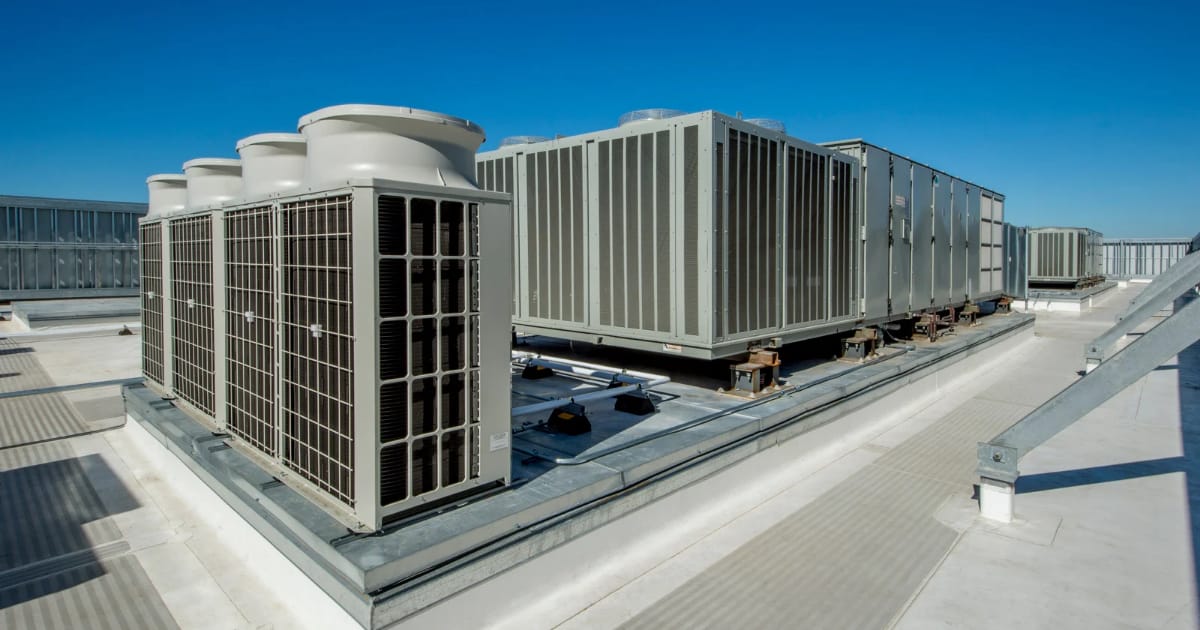
Rooftop Units Hidden Failures are one of the most underestimated risks in commercial HVAC systems. In many facilities, rooftop units operate continuously with little attention, simply because they are out of sight. As long as cooling or heating is delivered, the assumption is that everything is working as it should.
That assumption is often wrong.
Rooftop Units Hidden Failures develop gradually. They do not announce themselves with immediate breakdowns. Instead, they quietly reduce efficiency, increase energy consumption, and place stress on critical components. By the time a visible fault appears, the damage has usually been building for months.
For businesses across Western Australia, where HVAC systems operate under extreme conditions, ignoring these hidden issues is not just inefficient. It is expensive and operationally risky.
The Reality of Rooftop HVAC Systems in Commercial Environments
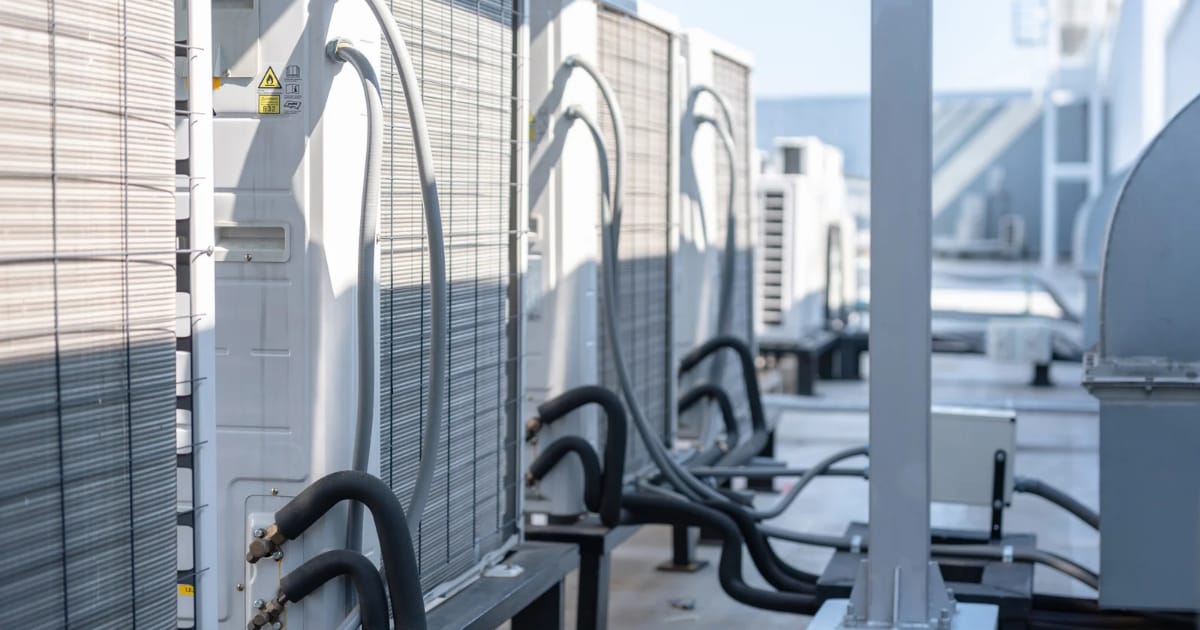
Rooftop units are designed for convenience and scalability. They combine heating, cooling, and ventilation into a single system, making them ideal for commercial buildings such as offices, retail centres, warehouses, and healthcare facilities.
However, their biggest advantage is also their biggest weakness.
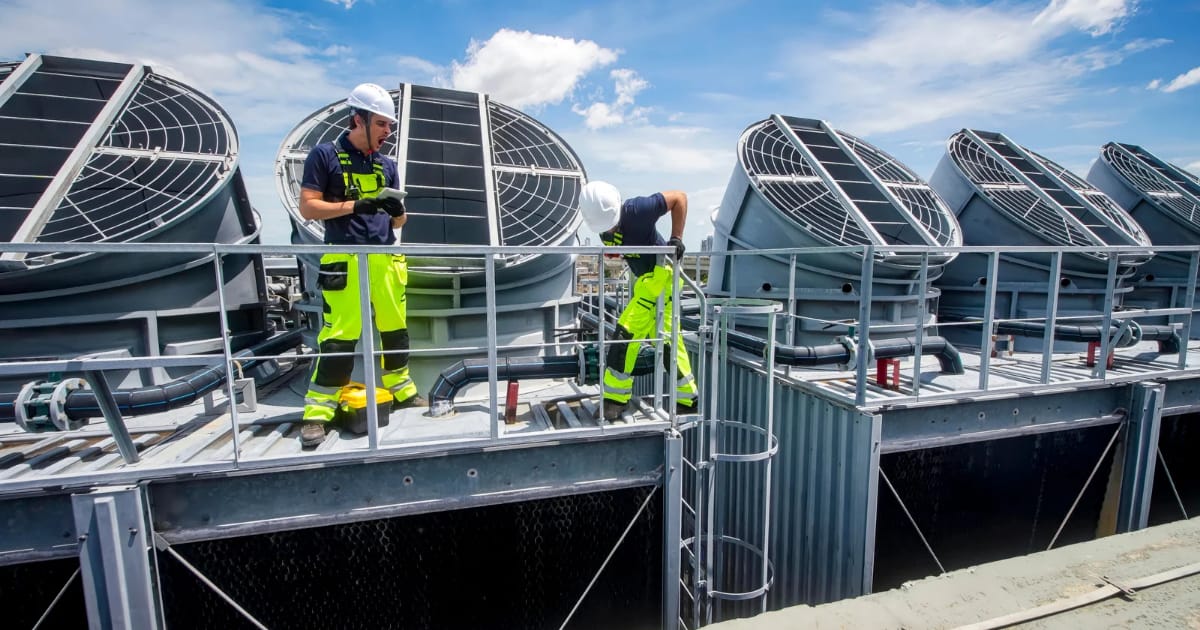
Because they are installed on rooftops, these systems are constantly exposed to harsh environmental conditions. High temperatures, UV radiation, wind, dust, and seasonal weather fluctuations all contribute to accelerated wear. Unlike indoor systems, they rarely receive casual inspection. There is no daily visual check. No early warning from staff.
This creates the perfect environment for hidden failures to develop unnoticed.
What “Hidden Failures” Actually Means
Rooftop Units Hidden Failures are not sudden breakdowns. They are slow, progressive issues that affect performance long before they cause complete system failure.
These failures often begin as minor inefficiencies:
- A coil that is slightly dirty
- A sensor that is slightly inaccurate
- A fan motor that is slightly imbalanced
Individually, these issues seem insignificant. Collectively, they create a system that works harder, consumes more energy, and wears out faster.
The danger lies in the delay. Because the system is still running, the problem is ignored. Over time, that small inefficiency evolves into a major fault.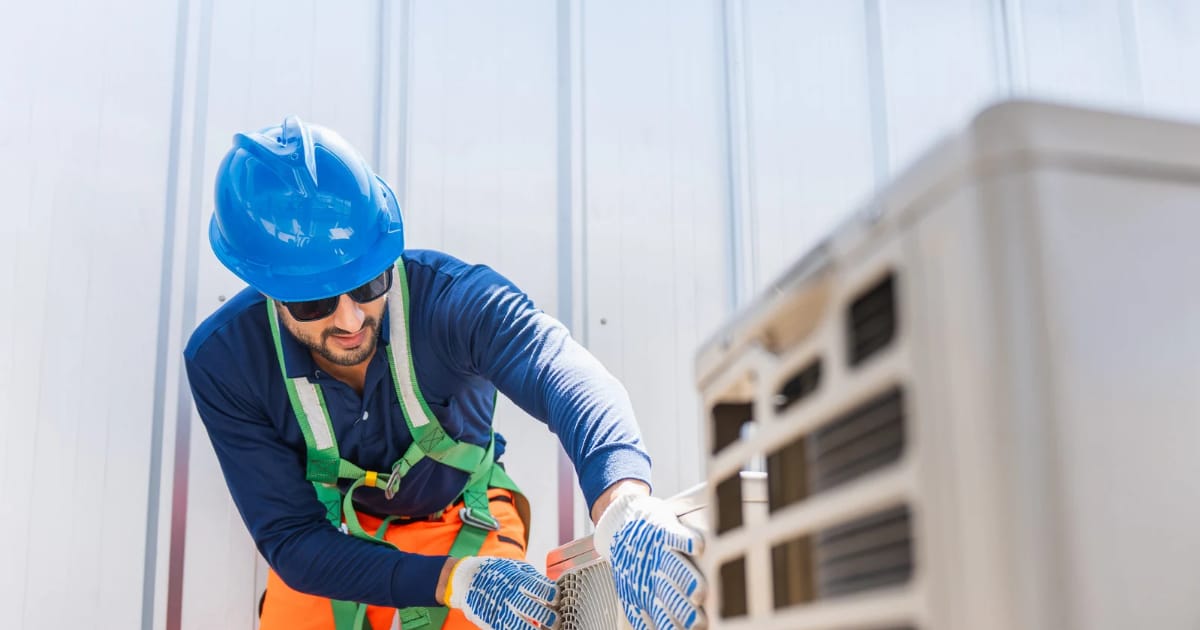
The Most Overlooked Failure Points in Rooftop Units
Coil Fouling and Heat Transfer Loss
Heat exchange is at the core of HVAC performance. When condenser or evaporator coils accumulate dirt and debris, their ability to transfer heat is reduced.
The system compensates by running longer and harder.
This leads to higher energy consumption and increased pressure on the compressor. Over time, what started as a simple cleaning issue becomes a major mechanical problem.
Electrical Degradation
Electrical components are particularly vulnerable in rooftop environments. Continuous exposure to heat causes contactors to wear, wiring insulation to degrade, and connections to loosen.
These issues rarely cause immediate failure. Instead, they create intermittent faults that are difficult to diagnose. Eventually, they result in sudden system shutdowns or complete electrical failure.
Refrigerant Loss
Refrigerant leaks are one of the most common yet least visible problems. A system can lose a small percentage of refrigerant and continue operating, but with reduced efficiency.
As refrigerant levels drop, the compressor is forced to work harder to achieve the same output. This not only increases energy costs but also significantly shortens the lifespan of the compressor.
Where Problems Become Business Risks
Rooftop Units Hidden Failures do not stay contained within the HVAC system. They quickly translate into broader operational risks.
Energy Cost Escalation
One of the earliest signs of hidden failure is rising energy consumption. Systems compensate for inefficiencies by running longer cycles, which directly impacts electricity costs.
For large commercial facilities, even a small drop in efficiency can result in substantial financial loss over time.
Unplanned Downtime
The most damaging consequence of hidden failures is unexpected system failure. When a rooftop unit breaks down during peak demand, the impact is immediate.
Retail environments lose customers. Offices lose productivity. Data centres face serious operational threats.
Downtime is not just inconvenient. It is costly.
Accelerated Equipment Replacement
Hidden failures shorten the usable life of HVAC equipment. Components that should last years are forced to operate under stress, leading to premature failure.
Instead of planned upgrades, businesses are forced into emergency replacements, often at a much higher cost.
Why Reactive Maintenance Does Not Work
Many businesses still rely on a reactive approach to HVAC maintenance. The system is repaired only when something goes wrong.
This approach fails because it ignores the nature of Rooftop Units Hidden Failures.
By the time a failure becomes visible, the underlying issue has already caused damage. What could have been resolved with a routine service now requires extensive repair or component replacement.
Reactive maintenance is not cost saving. It is cost delaying, and the final cost is always higher.
 The Shift Toward Proactive Strategy
A proactive HVAC strategy changes the way systems are managed. Instead of waiting for failure, it focuses on early detection and prevention.
This approach is not just about maintenance. It is about control.
With regular inspections and performance monitoring, hidden failures are identified before they escalate. Systems operate more efficiently, components last longer, and the risk of unexpected breakdown is significantly reduced.
What Effective Proactive Maintenance Looks Like
Preventing Rooftop Units Hidden Failures requires more than occasional servicing. It requires a structured and consistent approach.
A strong maintenance strategy includes:
Regular inspections that go beyond surface level checks
Detailed cleaning of coils and airflow components
Testing of electrical systems under load conditions
Monitoring of refrigerant levels and pressure balance
Evaluation of system performance trends over time
This level of attention ensures that small issues are identified early and resolved before they develop into major problems.
The Western Australia Factor
For businesses in Western Australia, the importance of proactive maintenance is even greater.
High ambient temperatures place additional stress on rooftop units. During peak summer periods, systems are pushed to their limits. Any hidden inefficiency becomes amplified under these conditions.
A system that might operate adequately in mild climates can fail quickly under sustained heat.
This is why Rooftop Units Hidden Failures are particularly critical in WA. The margin for error is smaller, and the consequences of failure are more severe.
The Financial Reality
It is easy to view maintenance as an expense. However, when compared to the cost of hidden failures, it becomes clear that maintenance is a financial strategy.
Businesses that ignore preventative maintenance often face:
Higher energy bills due to inefficient operation
Frequent repair costs that escalate over time
Unexpected capital expenditure on system replacement
Revenue loss due to downtime and disruption
In contrast, businesses that invest in proactive maintenance benefit from predictable costs, stable performance, and longer equipment lifespan.
Moving From Risk to Reliability
Rooftop Units Hidden Failures are not unavoidable. They are manageable with the right approach.
The difference between a system that fails unexpectedly and one that operates reliably is not the equipment itself. It is the strategy behind its maintenance.
Businesses that take a proactive approach gain control over their HVAC systems. They reduce risk, improve efficiency, and protect their operations from unnecessary disruption.
Conclusion
Rooftop Units Hidden Failures represent a silent but significant threat to commercial HVAC performance. They develop gradually, often without visible warning, and can lead to increased costs, reduced efficiency, and sudden system failure.
Relying on reactive maintenance is no longer a viable option, especially in demanding environments like Western Australia. A proactive strategy is essential for identifying hidden issues early and maintaining consistent system performance.
Efficient Refrigeration and HVAC specialises in commercial HVAC maintenance solutions designed to detect Rooftop Units Hidden Failures before they escalate. By focusing on prevention, performance, and long term reliability, businesses can protect their systems, control costs, and ensure uninterrupted operation. Contact us.